

Dubai’s real estate sector is not only about buying finished homes or investment properties—it is also driven by large-scale construction and development projects that shape the city’s iconic skyline. From residential towers to mixed-use communities, construction-based property transactions involve complex legal commitments, timelines, and technical obligations. This is where experienced Dubai real estate lawyers play a critical role, ensuring that buyers, investors, and developers are protected at every stage of the construction lifecycle.
Managing Construction-Related Legal Risks
Construction projects come with inherent risks, including delays, cost escalations, design changes, and contractor disputes. Real estate lawyers help clients identify these risks early by reviewing development agreements, construction contracts, and financing documents. Their legal insight ensures that contracts include clear timelines, penalty clauses, and remedies—protecting buyers from financial losses if developers fail to meet their obligations.
Reviewing Developer Agreements and SPAs
Sale and Purchase Agreements (SPAs) for under-construction properties are often lengthy and complex. Dubai real estate lawyers carefully analyze these agreements to ensure that buyer rights are clearly defined. This includes reviewing payment schedules, delivery milestones, handover conditions, and termination clauses. By clarifying ambiguous terms, lawyers prevent future disputes and ensure that developers remain legally accountable.
Ensuring Compliance with Construction Laws
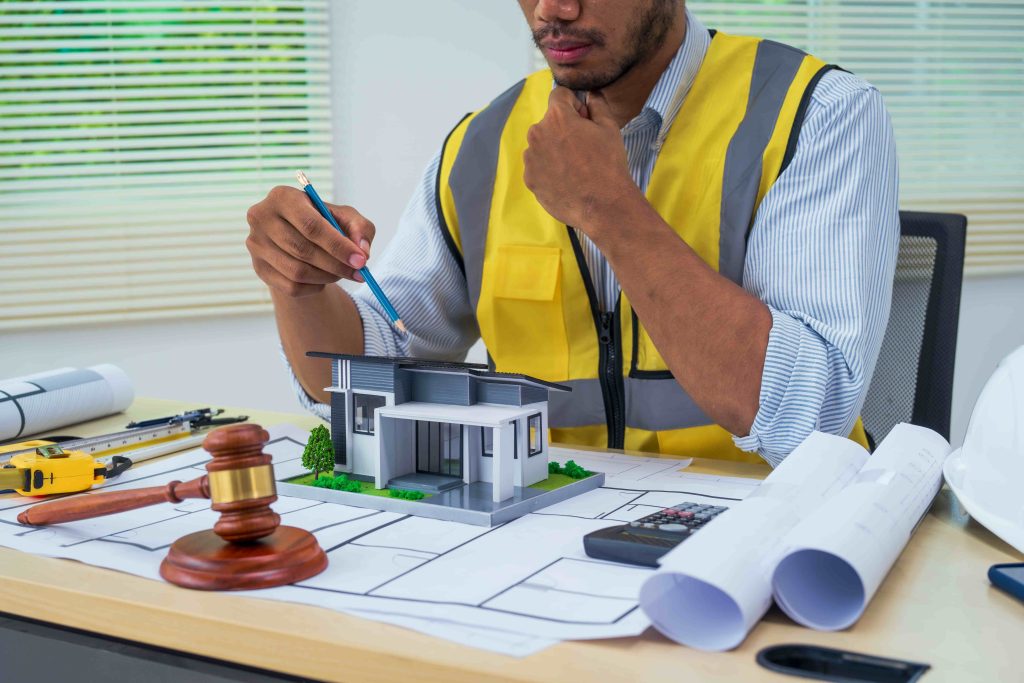
Dubai’s real estate construction sector is regulated by strict laws and guidelines designed to protect investors and ensure quality standards. Lawyers verify that developers and contractors comply with approvals from relevant authorities, including zoning, safety, and environmental regulations. This legal oversight ensures that projects are developed lawfully and reduces the risk of regulatory violations that could halt construction or affect ownership rights.
Handling Delays, Variations, and Breach of Contract
Project delays and unexpected variations are among the most common issues in construction-based real estate investments. Real estate lawyers assist clients in enforcing contractual rights when delays occur or specifications change without consent. They negotiate compensation, manage refund claims, and initiate legal action when necessary—ensuring that buyers are not unfairly burdened by developer shortcomings.
Dispute Resolution in Construction Matters
When disputes arise between buyers, developers, contractors, or consultants, real estate lawyers guide clients through dispute resolution mechanisms. This may include negotiation, mediation, arbitration, or court proceedings, depending on the contract terms. Their experience in construction-related disputes ensures efficient resolution while minimizing financial and operational disruption.
Supporting Investors in Large-Scale Developments
Investors involved in large or multiple property developments require ongoing legal support. Dubai real estate lawyers assist with portfolio risk management, contract standardization, and regulatory compliance across multiple projects. Their involvement ensures consistency in legal protections and strengthens investor confidence throughout the construction process.
Safeguarding Long-Term Property Value
Legal issues during construction can significantly impact a property’s long-term value and usability. Lawyers ensure that handover documentation, completion certificates, and defect liability provisions are properly executed. This protects buyers from hidden construction defects and ensures that properties meet contractual and regulatory standards before final ownership transfer.
Conclusion
Construction-driven real estate investments require more than market knowledge—they demand strong legal protection and technical oversight. By managing construction risks, enforcing developer accountability, and ensuring regulatory compliance, Dubai real estate lawyers play a vital role in safeguarding investments and ensuring that property projects are completed fairly, legally, and successfully.